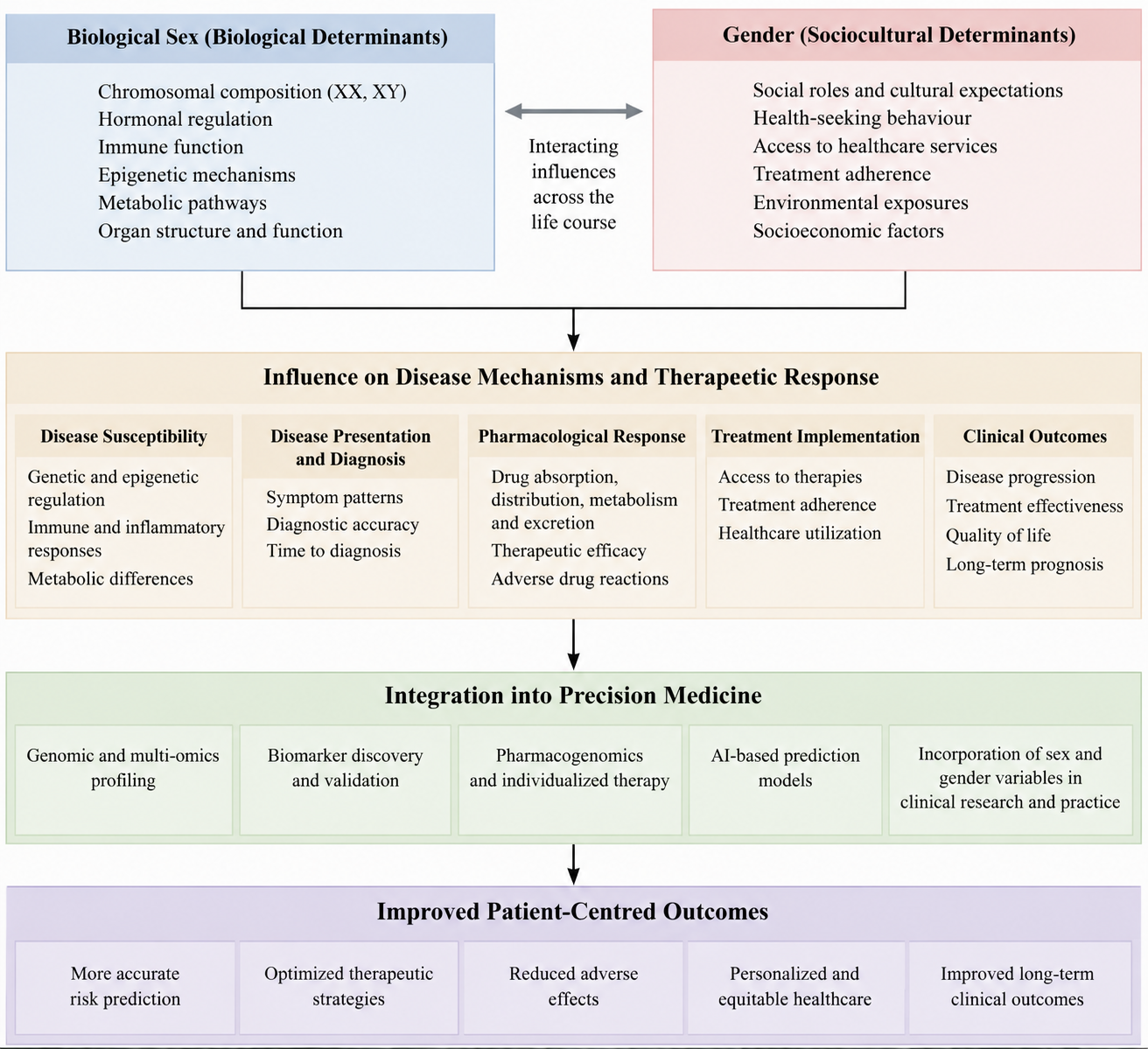
Figure 1: Biological and Sociocultural Pathways Linking Sex and Gender Differences to Precision Medicine Outcomes
Muhammad Arsalan1*
1Department of Pathology, University of Lahore, Lahore, Pakistan
*Correspondence: Muhammad Arsalan (muhammadarsalanshahpath01@gmail.com)
Received: 07 September, 2026; Revised: 21 October, 2026; Accepted: 26 October, 2026; Published: 30 October, 2026
Precision medicine hopes to make health care better by accounting for the variability of individuals' biology and clinical features in disease prediction and treatment. To achieve personalized care, however, it is essential that sex- and gender-related factors are recognized as they impact the mechanisms of disease, pharmacological actions and clinical outcomes. Disease susceptibility and response to treatment may differ between the sexes due to sex-related differences in genetics, hormones, immune regulation, epigenetic processes and metabolism; and diagnosis, access to healthcare, use of treatment and outcome may also differ across sex. There is growing evidence that considers sex and gender aspects in pharmacotherapy, discovery of biomarkers, artificial intelligence and multi-omics. Although this is starting to be recognized, there are still limitations of representation in clinical research, inconsistencies in how it is reported, and a lack of translation to clinical applications. This narrative review discusses the latest evidence regarding sex and gender differences in disease biology, pharmacotherapy, and clinical outcomes and their potential contribution to precision medicine. The incorporation of these factors into personalized health care systems can improve risk stratification, optimization of therapy, safety of drugs, and patient care.
Keywords: Drug Therapy; Pharmacogenetics; Precision Medicine; Sex Characteristics; Sex Factors; Therapeutics; Treatment Outcome.
In the era of precision medicine, treatment of disease has moved from a one-size-fits-all method to a more personalized approach that combines genetic, molecular, environmental and clinical factors I 1. To provide personalized care, however, biological and sociocultural factors that influence variability in disease susceptibility, therapeutic response and clinical outcomes need to be recognized. Sex and gender are two important determinants but different in terms of effect on health throughout the life span 2. Disease development and also drug response are influenced by sex-related factors such as: chromosomal composition, hormonal control, immune function, epigenetic processes and metabolic pathways 3. Gender related factors such as social roles, treatment adherence, access to health services, environment, and health-seeking behaviour, however, affect diagnosis, treatment and outcome of the disease in the long term 4.
A growing body of evidence shows that there are significant gender disparities in cardiovascular, autoimmune, neurological, cancer, infectious and metabolic illnesses 5. Likewise, variations in pharmacokinetics and pharmacodynamics depending upon sex affect the absorption, distribution, metabolism, efficacy and adverse drug reactions of the drugs 6. Even with these results, sex and gender responsive approaches are not well translated into clinical research, drug development and routine medical care 7. There is still a lack of diversity in clinical trials and sex-based reporting, which further limits evidence to be translated into personalized care 8. The opportunity for precision medicine with the integration of sex and gender variables into precision medicine is to better predict risk, select therapy, and enhance patient outcomes with more tailored clinical approaches. Thus, this narrative review aimed to summarize existing studies regarding sex and gender differences in disease mechanisms, pharmacotherapy, and clinical outcomes, and explore implications for advancing
This narrative review was conducted to summarize current evidence on sex and gender differences in disease mechanisms, pharmacotherapy, clinical outcomes, and their relevance to precision medicine. A literature search was performed using PubMed/MEDLINE, Scopus, Web of Science, and Embase for studies published mainly between 2020 and 2026. Search terms included “sex differences”, “gender differences”, “precision medicine”, “pharmacotherapy”, “drug response”, “biomarkers”, “pharmacogenomics”, and “personalized medicine”. Peer-reviewed original studies, systematic reviews, meta-analyses, and relevant narrative reviews in English were considered. Evidence was critically evaluated and thematically organized into biological mechanisms, disease-specific differences, therapeutic responses, and future precision medicine applications.
Genomic and Epigenomic Mechanisms Underlying Sex Differences: The biological differences between sexes are the result of complex interactions among sex chromosomes, hormonal regulation, epigenetic modifications and downstream molecular pathways. These differences in gene dosage, expression and regulation contribute directly to disease susceptibility to the human X and Y chromosomes. Gene expression is equalized between XX females and XO females, but a few X chromosomes genes escape the inactivation process leading to sex-specific differences in transcriptomic profiles 9. These variations contribute to immune regulation, metabolic changes in cells and susceptibility to complex diseases 10. Moreover, Y chromosome-associated regulatory pathways have emerged as important factors in disease phenotypes that are uniquely male, such as ageing, cardiovascular biology and immune responses 11.
In addition to the differences in the chromosomes, there are also large differences in the regulation of the epigenome that mediate the effect of sex on disease development. In addition to differences in the chromosomes, there are also large differences in the epigenome that mediate the effect of sex on disease development. Sex-specific patterns of methylation of DNA, modification of histone proteins, and the regulation of gene expression by non-coding RNAs all show ways in which gene expression can be changed without altering DNA sequences 12. The molecular changes are influenced by developmental stage, hormonal exposure, environment and ageing and therefore represent dynamic biological differences across the lifespan 13. In recent years, multi-omics studies have shown sex-dependent differences in the transcriptomic, proteomic and metabolomic profile in a variety of tissues, suggesting that sex differences are not restricted to reproductive organs, but found throughout the body. These conclusions are in favor of the inclusion of sex as a crucial biological factor in biomedical research and precision medicine approaches 14.
BIOLOGICAL BASIS OF SEX DIFFERENCES IN DISEASE: Sex hormones are important modulators of physiological processes that play crucial roles in the initiation and progression of disease, especially estrogens, progesterone, and androgens. Hormonal signaling affects immune function, vascular function, lipid metabolism, insulin sensitivity, neuronal plasticity, and tissue repair processes 15. The effects of estrogen signaling via nuclear and membrane-bound receptors can modify inflammatory pathways, endothelial functions and metabolic homeostasis, which may underlie inequalities in disease risk pre- and post-major hormonal changes like puberty, pregnancy and menopause 16. In a similar fashion, androgen pathways affect immune function, muscle metabolism, erythropoiesis and cardiac function, which may underlie sex differences in disease symptoms 17. The effects of hormones are especially noticeable in diseases that have prominent immune and metabolic aspects. Part of this gender disparity in prevalence of autoimmune disorders is thought to be due to greater immune activation through hormonal regulation and expression patterns of the X chromosome. On the other hand, androgen-related pathways could play a factor in the susceptibility to inflammatory reactions and disease severity of males 18. Importantly, the effects of hormones are not fixed, but are dynamic and can be influenced by ageing, environmental exposures and genetic susceptibility, emphasizing the importance of life-course approaches in precision medicine 19.
Sex-Specific Differences in Immune Function and Inflammatory Responses: Sexual differences in biology are among the most regular and consistent that can be found in immune regulation. In general, females have more robust innate and adaptive immune responses than males, such as increased antigen presentation, antibody production and T-cell activity. The benefits of these traits include greater resistance to some infections and greater ability to respond to vaccines, but they also make the animal more susceptible to immune-mediated diseases like systemic lupus erythematosus, rheumatoid arthritis and multiple sclerosis. Males, by contrast, may have different inflammatory profiles that put them at greater risk for complications in multiple infectious diseases 20. The study of infectious diseases has recently led to the realization that important sex-specific immune mechanisms exist. Variants in the composition of the immune system, production of cytokines, hormone-mediated regulation, and genes related to the immune system all play a role in disease severity and recovery patterns 21. The observations here show that immune responses cannot necessarily be extrapolated from males to females and should be taken into account in vaccination, immunotherapeutic, and targeted treatment protocols.
Implications for Precision Medicine: Biological basis of integrating sex-specific variables into precision medicine through understanding of genomic, epigenomic, hormonal and immunological differences. Current research considers sex not as a binary classification factor, but as a way of gaining a deeper understanding of the molecular pathways by which sex affects individual disease pathways. Combining molecular characteristics specific to a disease with genomic sequencing, biomarker evaluation, and artificial intelligence prediction models could enhance the evaluation of disease risk and the choice of treatment 22. Sex differences, however, need to be understood in the context of other biological and clinical factors, and should not only be considered as what they are: sex differences. Precision medicine has the goal of identifying variation within people, incorporating multiple factors such as genetics, environment, lifestyle, and social factors. Thus, including sex-specific biology is one part of a multi-dimensional approach needed to create truly personalized health care strategies Figure 1 23.
Implications for Precision Medicine: Cardiovascular disease (CVD) is an excellent example of the high degree of sex- and gender-based differences in disease mechanisms, presentation and outcomes. Cardiovascular phenotypes have traditionally been believed to be different in men and women, but there are differences in vascular biology, lipid metabolism, inflammation, hormonal regulation and myocardial remodeling that make these different 24. Sex-related variables have been found in precision cardiovascular assessment via multi-omics studies, which have revealed the molecular signatures associated with atherosclerosis and cardiovascular risk in both sexes 25. Hormonal changes during menopause can enhance vascular ageing and elevate cardiometabolic risk, and in particular, females tend to develop CVD in later life 26.
Pre-eclampsia and gestational diabetes are now known to be important risk factors for future cardiovascular disease, and are considered to be female-specific. In addition, women are also more likely to have coronary microvascular dysfunction and non-obstructive coronary disease, which may be missed by traditional testing and diagnosis methods, which were developed primarily for men 27. Postmenopausal women may experience changes in lipid profiles and body mass index that are relevant to cardiovascular risk assessment, supporting the need to consider menopause-related factors in clinical management 28. Thus, integration of biological sex with clinical and social determinants is crucial for precise modern cardiovascular medicine to increase the ability to predict and manage risk individually.
Vitamin D Status and Metabolic Factors in Premenstrual Syndrome: The interaction between reproductive symptoms and metabolic health may also involve nutritional factors. A study of women in Hyderabad, Pakistan, investigated the association between vitamin D status and obesity in premenstrual syndrome, providing population-specific evidence relevant to the assessment of women's metabolic and reproductive health 75.
Autoimmune and Inflammatory Disorders: Sex-Biased Immune Regulation: Some of the most clear-cut sex-associated disease patterns are seen in autoimmune disorders, including systemic lupus erythematosus, rheumatoid arthritis, Sjögren syndrome, and autoimmune thyroid disorders, which are much more common in females. This imbalance is due to the interactions between sex chromosomes, hormonal signaling, epigenetic regulation and immune-cell activity 29. The hyperactive response of the female's immune system is advantageous for better immunity against pathogens and better vaccine effectiveness, and may lead to greater susceptibility to immune tolerance breakdown. Increased autoimmune susceptibility is due to X-chromosome related gene regulation, hormonal modulation of B-cell activation and altered cytokine signaling. These mechanisms show the need for sex-specific immunopathological mechanisms in the development of diagnostic biomarkers and immunotherapeutic approaches 30.
Figure 1: Biological and Sociocultural Pathways Linking Sex and Gender Differences to Precision Medicine Outcomes
Neurological and Neuropsychiatric Disorders: Sex-Specific Disease Trajectories: Sex differences are evident in the prevalence, course, clinical presentation and treatment response to neurological disorders. These differences are due to the interactions between sex hormones, neuroimmune pathways, genetics and environment. This sex difference in neuronal plasticity/inflammatory responses and pain processing leads to a variety of disease patterns across neurological conditions 31. Alzheimer disease is an important example, as females have a higher disease burden, due to longer lifespan but also because of the biological differences such as hormonal changes, immune regulation, and genetic interactions 32. Likewise, the female predominance of multiple sclerosis has been well observed, corresponding to the immunological regulation differences between both sexes 33. Sex differences in prevalence, symptom expression and therapeutic responses to psychiatric disorders are also seen and are mediated by biological mechanisms and gender-related psychosocial factors. Increasingly, molecular markers need to be combined with unique biological and environmental traits of a patient to better target the diagnostic and therapeutic tools of precision neuroscience 34.
Cancer Biology: Sex Differences in Tumour Biology and Treatment Response: Sex has a role in cancer development, tumour characteristics, interactions with the immune system and the response to therapy. Males and females exhibit differences in incidence of and response to cancer, which are linked to differences in both hormonal signaling and genetic regulation, immune activity, and environmental exposure 35. Recent breakthroughs in the field of immuno-oncology have shown that sex could have a different effect on the immune microenvironment of a tumour and the sensitivity to immune checkpoint inhibitors. The difference in immune-cell activity, hormone pathways, and molecular tumour profiles between the sexes may account for differences in therapeutic effects and side effects. The addition of sex with genomic changes and immune markers can enhance the personalized treatment strategies for cancer 36.
Infectious Diseases and Vaccine Responses: Sex differences significantly affect host–pathogen interactions, due to differences in innate and adaptive immune systems. Females typically have greater immune activation and antibody production, which could contribute to better clearance of pathogens and vaccine efficacy, but may also lead to heightened inflammatory responses. Differences in disease severity may be partly due to males' inability to respond to some pathogens 37. Recognizing these differences is significant for vaccine design, infection control and treatment strategies. Future precision medicine models should take into account sex-specific immune characteristics in addition to genetic and clinical parameters to fine-tune measures of prevention and treatment.
There are inter-individual variations in the pharmacological response to a drug that result from the process of drug absorption, drug distribution, drug metabolism, drug elimination, and drug interactions with the target site. Sex has a significant biological impact on pharmacokinetic (PK) and pharmacodynamic (PD) processes, and is becoming a critical consideration. While it is true that many therapeutic guidelines still use the same dosing regimen for both males and females, recent findings suggest that there are biological differences between the genders, which can lead to different levels of drug exposure, effectiveness, and toxicity. Enhanced therapeutic optimization and decreased avoidable adverse drug reactions could result from incorporation of sex-related pharmacovariability into precision medicine 38.
Sex-Related Differences in Pharmacokinetic Processes: Pharmacokinetic differences between the sexes arose from differences in body composition, hormone levels, plasma protein concentration, gastric physiology and organ function. The distribution of lipophilic and hydrophilic medications might be affected by the higher percentage of body fat and lower total body water of females than males. These variations can alter the concentrations of drugs, especially those with a small therapeutic window 39.
Another important source of sex-related variability is related to drug metabolism. Sex-specific expression of hepatic cytochrome P450 (CYP) enzymes, transport and conjugation pathways is under genetic control and are hormonally regulated. Variations in CYP activity could affect the plasma concentration and/or duration of action of many prescribed drugs which are used in the treatment of cardiovascular disease, pain, depression and other conditions, such as anti-clotting drugs 40. Also, differences in renal clearance, due to body size, body muscle mass and kidney function, can affect the elimination of renally excreted drugs 39. Importantly, the sex-related pharmacokinetic differences are not static, but can vary during the lifetime of the subject, as a result of puberty, pregnancy, menopause, ageing, and hormonal therapies 39.
Sex Differences in Pharmacodynamic Response and Therapeutic Effectiveness: Pharmacodynamics is the study of the interaction of drugs with biological targets for therapeutic and adverse effects. Sex-related differences in receptor density, signaling pathways, immune function, and disease processes may affect the response to drug exposure even if the drug levels are similar among patients 41. Different opioid receptor activity, inflammatory pathways, cardiovascular signaling, and neurotransmitter systems are involved in inter-individual differences in analgesic response, cardiovascular drug response, and psychiatric treatment. Likewise, immune-modulating treatments may have different effectiveness depending on sex differences in the composition of immune cells and inflammatory regulation 42. The increasing focus in oncology and in immunotherapy on sex-specific variations in tumour biology and host immune responses. Immune system checkpoint activation differences, tumour microenvironment, and immune activation may affect the response to immune checkpoint inhibitors and other targeted therapies 43.
Sex Differences in Adverse Drug Reactions and Medication Safety: Adverse drug reactions (ADRs) are a significant problem in clinical practice and there is some evidence that women are at greater risk of some adverse events associated with medicines. This could be caused by variable drug exposure, body composition, immune response, hormonal regulation and prescription 44. Historically, dosage of medications was often determined from clinical trials with a small number of female subjects, which may have resulted in inaccurate estimates of the safety of medications in females 45. Modern studies on pharmacovigilance highlight the need to consider patterns of adverse events by sex to detect populations that may be at higher risk 46. This includes the different effects of drugs on the heart, the risk of bleeding when taking anti-clotting drugs, and unwanted responses to an antidepressant. These observations are used to develop personalized dosing regimens that take into account pharmacogenomics, physiology and sex-specific risk factors Figure 2.
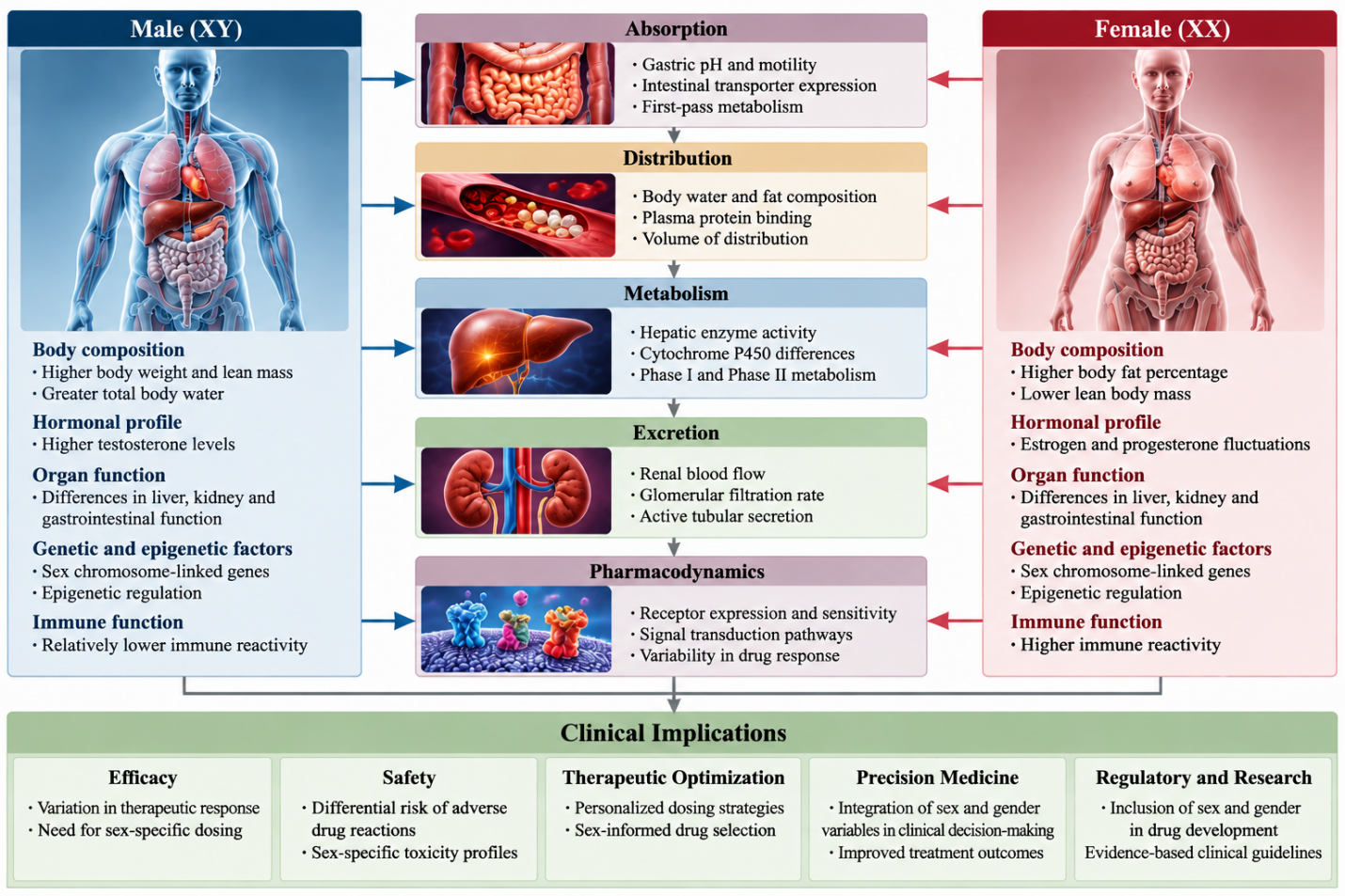
Figure 2: Sex-Based Differences in Pharmacokinetics and Pharmacodynamics: Implications for Precision Pharmacotherapy
Incorporating Sex-Informed Pharmacotherapy into Precision Medicine: The future of pharmacotherapy lies in the development of new individualized treatment models that incorporate genomic, molecular, and clinical-related factors from a single patient rather than relying on standard dose selection 47. Sex informed pharmacotherapy does not require that treatment pathways be differentiated by sex; rather, sex is one element of an expanded patient-specific treatment model 48. Pharmacogenomics, predictive models based on AI, therapeutic drug monitoring, and real-world clinical data could help predict drug response and toxicity with greater accuracy. Sex-stratified analyses should be routinely added to future clinical trials, and therapeutic effects, optimal doses, and safety profiles should be assessed across the sexes 49. Incorporating sex-related pharmacological variability into precision medicine can help to enhance the efficacy of prescribed medications, reduce the risk of adverse effects, and develop more personalized strategies for choosing treatments Table 1.
| (Author et al., Year) Reference | Therapeutic Area / Drug Class | Sex-Related Difference Identified | Underlying Mechanism | Clinical Implication for Precision Pharmacotherapy |
|---|---|---|---|---|
| Zucker et al., 2020 45 | Multiple drug classes | Women showed higher pharmacokinetic exposure for many evaluated drugs and a higher frequency of female-biased ADRs | Sex-related differences in drug concentrations, clearance and elimination | Sex-specific PK information may help improve dose selection and reduce avoidable ADRs |
| Lacroix et al., 2023 50 | Cardiovascular, psychotropic, analgesic, anti-infective, antidiabetic and anticancer drugs | Sex differences occur in the frequency and characteristics of adverse drug reactions | Pharmacokinetic, pharmacodynamic, hormonal, physiological and biological differences | Sex-disaggregated pharmacovigilance can help identify groups at increased risk of ADRs |
| Mauvais-Jarvis et al., 2021 47 | Multiple therapeutic classes | Sex can influence pharmacokinetics, pharmacodynamics, therapeutic efficacy and adverse effects | Genetic, epigenetic, hormonal and physiological differences | Sex should be considered as one biological variable within individualized pharmacotherapy |
| Lee et al., 2023 51 | Oral anticoagulation in atrial fibrillation | Sex differences were observed in oral anticoagulant treatment patterns among patients with AF | Differences in patient characteristics, cardiovascular risk and treatment decision-making | Sex-specific evaluation of anticoagulation use can help identify treatment disparities and inform individualized management |
| Xiao et al., 2024 52 | Cancer immunotherapy / immune checkpoint blockade | Sex differences may influence immunotherapy response and treatment-related adverse events | Sex hormones, sex chromosomes, immune-cell activity, epigenetic mechanisms and tumour microenvironment | Incorporating sex-related biological factors may improve interpretation and personalization of immuno-oncology |
Sex and gender-based factors significantly affect how people experience diseases, as well as how they are recognized, diagnosed, treated, and responded to, but also affect the mechanisms of disease and pharmaceutical responses. Along with molecular factors, behavioural, social, and environmental, and even healthcare-related factors are becoming increasingly recognized as being important factors in determining clinical outcomes in precision medicine. Recent evidence highlights the need to consider sex and gender as distinct but interconnected variables as they can impact on various pathways and contribute to differences in health outcomes 53.
Gender Influence on Disease Recognition and Diagnostic Pathways: Interpretation of symptoms, seeking help from the health system and diagnosis may be different between genders. Differences in social norms, communication processes, health literacy, and engagement with health care systems can play a part in the delayed detection of disease or variations in diagnostic assessment. Traditional symptoms of male disease patterns, for instance, could lead to under-recognition of atypical presentations of disease in girls, such as in cardiovascular and neurological diseases. Likewise, the variation in health care consumption could affect the timing of disease detection and treatment 54. These are especially important in diseases with a strong prognosis if timely intervention makes a difference to outcome. Gender-related variables are novel and, when added to clinical prediction models, can enhance the accuracy of diagnosis beyond that of biological markers 55.
Gender, Treatment Access, and Therapeutic Adherence: Social and economic factors for both men and women impact access to healthcare services, treatment maintenance, and compliance with medications. Socio-economic status, caregiving obligations, cultural norms, literacy, and health care availability can all influence disease management without impacting biological susceptibility to the disease 56. Patient adherence entails a multifaceted behavior that is shaped by a range of patient beliefs, interactions with health care providers, financial factors, and social supports 57. So, it is important to note that clinical differences could be due in part to variation in disease biology, but also to variation in healthcare experiences and treatment implementation. Therapy targeted to the molecular profile alone may not be effective in the context of such important determinants of therapeutic success 58.
Gender Representation and Reporting Gaps in Clinical Research: Clinical research has historically been shown to not adequately represent women, or even include gender-related factors, in the design, analysis, and reporting of clinical research. Despite the efforts of regulatory and methodological development, many clinical trials do not offer detailed and complete sex disaggregation analyses or consider gender-related factors influencing results. There are persistent shortcomings in clinical research reporting accuracy that do not distinguish and integrate sex and gender variables, thereby limiting the generalizability of the findings. Some recent evaluations of clinical research reporting have pointed to the continued shortcomings in accurately distinguishing and incorporating sex and gender variables, thus creating a challenge to the generalizability of findings 59. More than just balanced recruitment, however, is needed to improve representation, as is the use of the appropriate analytical approaches that consider the variation across sex and gender groups in disease patterns, treatment effects and adverse outcomes. It is recommended that sex and gender variables be reported in a standardized way to help improve reproducibility and clinical relevance 60.
Reproductive Life Stage and Sex-Specific Health Burdens: Health needs vary across the life course, with adolescence and pregnancy representing important periods for assessing iron status. A systematic review and meta-analysis of iron-deficiency anemia among adolescents and pregnant women in Pakistan highlights the importance of considering reproductive status and life stage when evaluating women's health needs 76.
Integrating Gender Variables into Precision Medicine: Precision medicine has to move beyond genomic/molecular profiling and embrace a multidimensional patient-centered approach for its future. Gender-related information can be included in prediction models and support individual interventions by incorporating gender-related behavioural patterns, social determinants, healthcare access, and environmental exposures. Gender, however, should not be used as a substitute for a biological assessment but rather as a dimension that plays with molecular and clinical dimensions. Incorporating sex-specific biological data with gender-specific determinants could yield a more comprehensive portrait of disease course and treatment response, allowing for enhanced and equitable personalized treatment strategies 61. Experimental studies have investigated berberine for its effects on glycemic control, insulin-related parameters, and β-cell physiology, while L-carnitine has also demonstrated antihyperglycemic and antioxidant effects in diabetic rodent models 72, 74. Such findings illustrate the range of pharmacological mechanisms that may inform individualized treatment research, although sex-specific efficacy requires direct evaluation.
Precision medicine should be expanded beyond the genomic level to a more comprehensive framework that takes into account biological sex, gender-related factors, genetic markers, and clinical patient data. While genetic variability has long been recognized as a key factor in disease heterogeneity and treatment response, recent research has shown that sex and gender have a role in a number of biological and clinical mechanisms that shape the risk of disease, treatment effectiveness, and patient outcomes. These factors can be incorporated into precision healthcare to enhance the accuracy of prediction models and promote more personalized methods of diagnosis and treatment 61.
Sex-Informed Biomarkers and Multi-Omics Approaches: Since the dawn of the multi-omics era (genomics, transcriptomics, proteomics, metabolomics, and epigenomics), sex-dependent molecular patterns have emerged from a variety of disease states. Use of sex-specific molecular signatures could help to better identify disease subtypes and aid in biomarker discovery. For instance, variability in immune-related gene expression, inflammatory pathways, and metabolic profiles could also provide additional information to predict disease course and treatment response 62. In cardiovascular medicine, oncology, autoimmune diseases and neurological diseases, the integration of sex-specific molecular information with standard clinical parameters could help achieve patient stratification that is more accurate 63. These strategies go beyond comparing male to female differences to uncover the underlying biological causes of these differences. To implement this successfully, however, it is important to have large-scale datasets with appropriate representation of diversity in populations, and standardized reporting of sex-related variables.
Pharmacogenomics and Sex-Aware Therapeutic Optimization: The role of pharmacogenomics in precision therapeutics has grown due to its ability to determine genetic variation associated with drug metabolism, efficacy, and toxicity. But there is more to the variability in response to medications than genetics. Pharmacogenomic factors can interact with sex-related differences in hormonal regulation, enzyme activity, immune function, and disease biology to affect therapeutic outcomes 64. The future pharmacological models are likely to incorporate both genomic data and sex-specific biological traits, physiological parameters, and real-world clinical data. This holistic approach can help optimize dose selection, minimize side effects, and maximize the effectiveness of drug treatment. AI and machine-learning models are increasingly being considered for analyzing complex interactions between genomic, clinical, and demographic variables, but consideration needs to be paid to the careful validation of these models that could risk amplifying existing healthcare biases 65.
Artificial Intelligence and Sex/Gender-Aware Clinical Decision Systems: The use of artificial intelligence (AI) in precision medicine has been revolutionized by its ability to process massive and multidimensional healthcare data. Electronic health records, imaging data, molecular profiles, and patient characteristics can all be used in conjunction with AI-based models to find patterns that may not be obvious using traditional methods. Including the sex and gender variables in these models could enhance the prediction of the risk of disease, responses to treatment, and clinical outcomes 66. The quality and diversity of training data, however, determine the capabilities of the AI systems. Algorithms can reinforce or amplify gender- and/or sex-based inequities in health care if they are not adequately designed to include sex and gender differences. Therefore, AI that is able to adapt to sex and gender needs and expectations must be reported transparently, use diverse datasets, be validated by external experts, and continuously monitor the performance of the AI model across different patients 67.
A future precision medicine model should take a comprehensive approach to the biological and social aspects, rather than focusing on one. Sex (biological) gives information on molecular pathways, hormonal regulation, immune responses, and pharmacologic variations, while gender (as a social construct) gives information on behavioral patterns, access to healthcare, environmental exposures, and implementation of treatmen 68. Combination of these methods with genomic sequencing, biomarker analysis, and digital health and AI tools could help understand patient disease courses more completely. However, sex and gender use should be embedded in a more comprehensive personalized approach, which should also incorporate age, genetics, lifestyle, comorbidities, and environmental factors. In future health care systems, using sex- and gender-informed approaches in precision medicine will contribute to more accurate prediction, optimized treatment, and better outcomes for patients. This is a critical step in the shift from average patients to knowing and caring for biological and clinical diversity Table 2.
| (Author et al., Year) Reference | Clinical Application | Sex/Gender-Informed Precision Approach | Current Evidence and Clinical Relevance | Future Direction |
|---|---|---|---|---|
| Cross et al., 2024 65 | Artificial intelligence and digital healthcare | Integration of sex and gender variables into AI-based biomedical models | Sex and gender can influence disease patterns, biomarkers, and treatment responses; failure to account for these variables can contribute to bias in medical AI and clinical decision-making. | Development of transparent, bias-aware AI models using representative and diverse datasets. |
| Jarman et al., 2024 69 | Precision emergency and acute care medicine | Incorporation of sex-specific biology and gender-related determinants into emergency risk assessment | Sex and gender can influence presentation, diagnostic pathways, treatment decisions, and outcomes in acute care. | Development and validation of sex- and gender-informed clinical prediction tools for emergency settings. |
| Mauvais-Jarvis et al., 2021 47 | Pharmacotherapy and drug development | Integration of sex-related pharmacological characteristics with pharmacological and genetic information | Biological sex can modify pharmacokinetic and pharmacodynamic responses through genetic, epigenetic, hormonal, metabolic, and physiological mechanisms, supporting consideration of sex in precision pharmacotherapy. | Routine sex-stratified PK/PD analyses and better representation of both sexes in clinical drug-development studies |
| Bonkhoff et al., 2025 70 | Neurological precision medicine | Sex-specific evaluation of neurological disease mechanisms, biomarkers, and treatment responses | Sex differences are evident across neurological diseases, including Alzheimer disease and stroke, and may inform more individualized neurological care. | Integration of sex with molecular, imaging, genetic, hormonal, and clinical variables to improve precision neurological medicine. |
| Karnwal et al., 2026 67 | Oncology precision medicine | Incorporation of sex and gender as precision biomarkers in cancer diagnosis and therapy | Sex-related differences can affect tumour biology, immune responses, treatment response, and therapy-related toxicity; AI can integrate sex/gender with clinical and molecular data. | Development of AI-driven oncology models combining sex/gender, genomic alterations, immune profiling, and clinical data. |
Although there has been progress in the recognition of the sex and gender dimensions of health, multiple challenges prevent sex and gender considerations from becoming part of the standard care of precision medicine. One major constraint is that there are inconsistent and incomplete sex and gender-based analyses in biomedical research, with results being presented without considering differences in disease mechanisms, treatment response, and adverse outcomes by sex and gender 71. Further, biological sex is often used as a proxy for gender and gender-related factors (such as access to healthcare, gender behaviour and social context) are poorly represented.
Diverse datasets are also needed to develop sex- and gender-informed artificial intelligence and predictive models to prevent algorithmic bias and ensure the reliable clinical application of these tools. Standardized reporting frameworks, representative clinical trials and the integration of sex and gender related variables with genomic, molecular and clinical data should be considered for future research 65. Individualized healthcare strategies will be developed through the use of large-scale longitudinal studies, multi-omics approaches and real-world evidence platforms. Finally, sex and gender will be integrated with precision medicine to improve disease prediction, therapeutic optimization, and provide more personalized and equitable care.
Sex and gender are also important factors in determining susceptibility to disease and response to treatment, as well as clinical outcomes, and should be better incorporated into current models of precision medicine. Biological differences (genetics, hormones, immune regulation, metabolism) account for differences in disease mechanisms and pharmacological responses, and gender related factors account for differences in diagnosis, healthcare access, adherence to treatment, and long-term outcomes. The advances in multi-omics, pharmacogenomics, artificial intelligence, and biomarker-driven approaches open new opportunities for integration of these parameters into personalized strategies for healthcare. What is needed is a future precision medicine model that transcends a uniform treatment paradigm and incorporates biological and sociocultural determinants to enhance the accuracy of diagnosis, optimize therapy, minimize adverse effects, and provide patient-centered care more precisely.
This work is published by Multidisciplinary Scholarly Advancement and Research MSAR Institute. © 2026 The Author(s). The full terms of Journal Publishing policies are available at https://msarjournals.com/index.php/index/open-access and incorporate the Creative Commons Attribution – Non Commercial (CC BY-NC 4.0) License https://creativecommons.org/licenses/by-nc/4.0/. By accessing the work you hereby accept the Terms. Non-commercial uses of the work are permitted without any further permission, provided the work is properly attributed. Publisher’s Note: MSAR Institute remains neutral with regard to jurisdictional claims in published maps and institutional affiliations, and assumes no liability for the scientific accuracy or clinical efficacy of the content herein, as they rest entirely with the authors.